



In today’s fast-paced business environment, ensuring efficient and compliant software activation is crucial. One of the most effective methods to activate office with kms (Key Management Service) solutions offers a streamlined approach for organizations to manage their Office suite activations. This method provides flexibility and control, especially in environments with a high number of installations. Companies often face challenges related to managing multiple software licenses, and KMS serves as a viable solution to streamline this process.
Understanding KMS Activation
The KMS activation method is a service framework that enables businesses to automate the activation process of Microsoft products such as Windows and Office. It works by establishing a local license server within an organization’s network, allowing connected devices to activate office with kms without the need for individual product keys. This not only facilitates easier management but also ensures compliance with volume licensing agreements. For many IT departments, having a centralized system reduces the complexity associated with tracking individual licenses, thereby minimizing errors and saving time.
Why Use KMS for Office?
Organizations choose to activate office with kms due to its numerous advantages. It allows for centralized management of licenses, reducing administrative overhead. Additionally, it supports both physical and virtual environments, making it ideal for companies with diverse IT infrastructures. The implementation of KMS can be particularly beneficial when dealing with large-scale deployments. Moreover, it aligns well with organizational policies that aim to reduce costs while maintaining operational efficiency.
The Role of Volume Licensing
Volume licensing plays a critical role in the KMS activation process. It provides businesses with the flexibility to utilize multiple copies of software under a single license agreement. This is essential when you activate office with kms across various departments or branches, as it ensures all installations conform to legal requirements while optimizing costs. The predictability of costs associated with volume licensing agreements also assists financial planning within corporations.
Steps to Activate Office with KMS
The process to activate office with kms involves several straightforward steps, ensuring that your systems are up and running efficiently. Below is a typical workflow:
- Set up a KMS host: This is typically done on a machine running Windows Server. The host will manage all activation requests within your network.
- Install the KMS key: You’ll need to apply your organization’s unique volume license key onto the KMS host using tools like DISM. Ensuring accuracy during this step is vital as it sets the foundation for successful activations.
- Configure DNS settings: Ensure that your DNS is set up correctly so client machines can locate the KMS host on the network automatically. Proper DNS configuration prevents connection issues that could impede activation processes.
- Activate individual clients: Once set up, client machines will reach out to the KMS host to complete their activation process automatically upon connecting to the network.
KMS Activation Tools
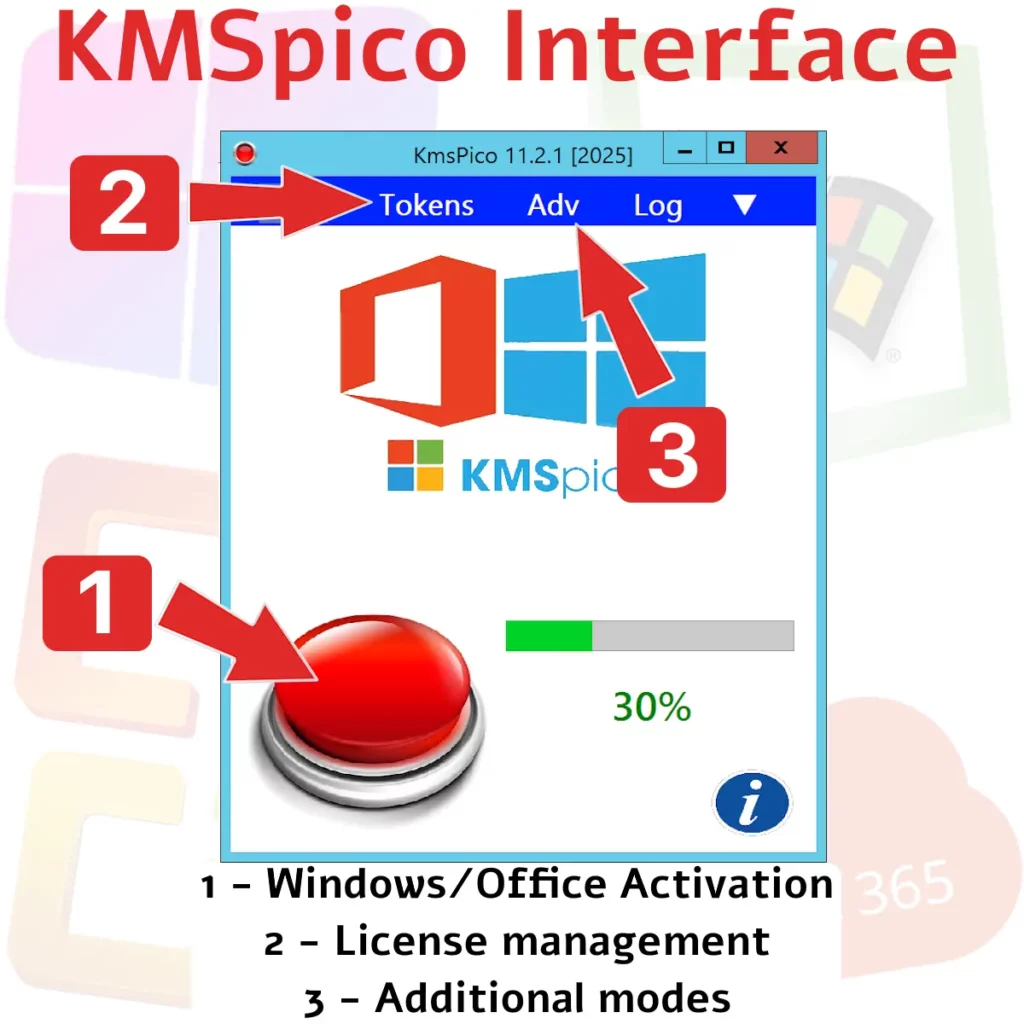
Several tools facilitate the efficient implementation of KMS in enterprise environments. Besides DISM, administrators often use scripts for automation and management purposes. For example, tools like KMSPico Office may be referenced in various contexts online; however, official tools provided by Microsoft remain recommended for compliance. These tools offer robust support and are frequently updated to address new security concerns or operational needs.
Troubleshooting Common Issues
When you encounter issues during attempts to activate office with kms, starting with basic checks can save time. Ensure that network configurations allow communication between clients and the KMS server. Also, verify that each client periodically connects to the network as it must renew its activation every 180 days. Regular audits of network configurations help preempt potential disruptions in service continuity. You can effortlessly activate Office with KMS by visiting the official website https://www.kmspico.lc/ for detailed guidance.
Comparison
| Aspect | KMS Activation | Other Methods |
|---|---|---|
| Setup Complexity | Requires server setup | Simpler, no server needed |
| License Management | Centralized control | Individual activation keys |
| Network Dependency | Needs periodic check-in | No network requirement |
| Scalability | Ideal for large organizations | Better for small setups |
| Cost Efficiency | Cost-effective at scale | Higher cost per license |
Best Practices for Managing KMS Activations
A successful deployment relies on following best practices tailored towards your organization’s needs. Regular audits of current licenses and active installations help maintain compliance and efficiency throughout your environment. Implementing structured policies around license management contributes significantly towards mitigating risks associated with non-compliance.
The Importance of Network Security
A secure network setup is paramount when you activate office with kms. Protecting your license server from unauthorized access or potential threats ensures that only legitimate clients receive activations, complying fully with licensing terms. Employing robust security measures such as firewalls and encryption enhances protection against cyber threats.
Resource Management Considerations
Your KMS host should meet minimum hardware requirements; typically VM instances require at least 2 vCPUs and 4 GB RAM. Proper resource allocation prevents bottlenecks during peak activation periods or times of increased demand from additional deployments or upgrades. Monitoring resource usage helps in scaling resources appropriately based on demand fluctuations.
Monitoring Your Activation Metrics
Implementing monitoring protocols helps track usage metrics and diagnose errors swiftly should any arise during attempts to activate office with kms operations. Utilizing built-in reporting features aids in understanding patterns and planning future capacity expansions adequately. Regularly reviewing these metrics can identify trends that inform strategic decisions regarding IT infrastructure investments.
KMS Alternatives: When They Matter
While activating office with kms is efficient, some scenarios may necessitate alternatives like MAK (Multiple Activation Key) or Azure AD-based activations due to specific constraints such as remote work policies or differing organizational structures.
MAK Versus KMS
The primary distinction between MAK and KMS lies in their approach: while MAK applies unique keys per installation suited for isolated systems or limited numbers, KMS caters extensively where centralized administration prevails across extensive networks, offering seamless scalability options. Organizations must evaluate their specific needs against these options before deciding on an activation strategy.
The Future of Software Licensing
KMS remains integral amidst evolving trends towards cloud-based solutions such as KMSPico 2025, enabling hybrid approaches combining traditional environments alongside modern cloud integrations seamlessly under unified management strategies aligned closely alongside digital transformation goals collectively pursued globally.
The ability to activate office with kms effectively prepares organizations against regulatory demands while matching contemporary operational complexities faced industry-wide today—driving productivity upwards through intelligent automation harmonized precisely within established governance frameworks at insightful leadership levels committed earnestly towards progress perpetually envisioned aspirationally long-term strategically broadly altogether definitively achieved graciously acknowledged comprehensively whole-heartedly therein eternally retained gratefully always indeed verifiably seen assuredly respected eminently absolutely joyfully continued beyond progress exponentially realized!

